Showing the single result
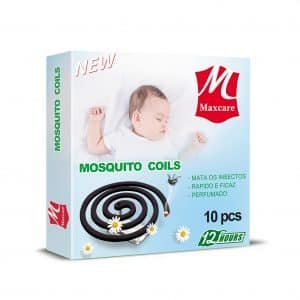
Mosquito coil are a common and popular tool used to repel mosquitoes and other flying insects. They are made of a thin, spiral-shaped piece of material, usually made of dried sawdust, that is coated with a mixture of insecticide and other chemicals. When the coil is burned, it releases smoke that repels insects.
The use of mosquito coils dates back to the early 1900s, when they were first developed in Japan as a way to control the spread of malaria. Since then, they have become a popular and widely-used tool for mosquito control in many parts of the world.
The effectiveness of mosquito coils can vary depending on a number of factors, including the type and amount of insecticide used, the size of the area being protected, and the behavior of the mosquitoes in the area. In general, mosquito coils are most effective when used in small, enclosed spaces, such as bedrooms or other indoor areas. However, they can also be effective when used outdoors, particularly in areas with low wind and minimal air movement.
One of the advantages of mosquito coils is that they are relatively inexpensive and easy to use. They can be purchased at most supermarkets and convenience stores, and typically come in packs of several coils. To use a mosquito coil, the user simply lights one end of the coil and allows it to burn for several hours, until it has burned all the way through. During this time, the coil releases a steady stream of smoke that repels mosquitoes and other insects.
However, there are some potential drawbacks to the use of mosquito coils. One is that they can produce a significant amount of smoke, which can be unpleasant or even harmful if inhaled in large amounts. Additionally, some studies have suggested that the chemicals used in mosquito coils may be harmful to human health, particularly if they are used in poorly ventilated spaces or if the coils are burned for long periods of time.
Despite these concerns, many people continue to use mosquito coils as a way to control mosquitoes and other flying insects. In many parts of the world, particularly in areas with high rates of mosquito-borne diseases such as malaria and dengue fever, mosquito coils are considered an essential tool for disease prevention.
In recent years, there has been increasing interest in developing alternative mosquito control methods that are safer and more environmentally friendly than traditional insecticides. These include devices such as mosquito traps and zappers, as well as natural insect repellents made from plant extracts and other organic materials. While these alternatives may not be as effective as mosquito coils in all situations, they offer a promising alternative for those who are concerned about the potential health and environmental risks associated with traditional mosquito control methods.
Overall, mosquito coils remain a popular and widely-used tool for mosquito control in many parts of the world. While there are some concerns about their potential health and environmental impacts, they continue to be an important tool for disease prevention in many regions. As new technologies and methods for mosquito control continue to emerge, it will be important to continue to evaluate and improve upon existing methods in order to protect public health and reduce the spread of mosquito-borne diseases.